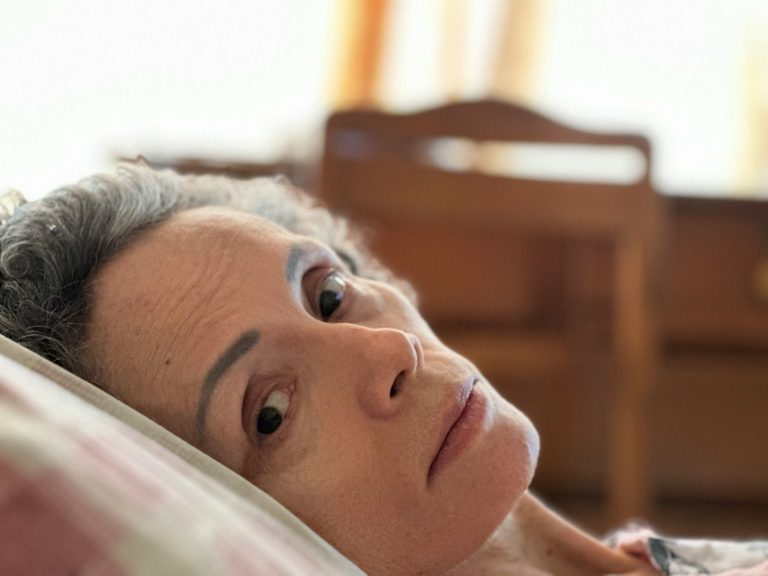
What Your Sleep May be Telling You is contributed by Justin Graham, Performance Home Medical. This article is published in the Fall/Winter 2026 Edition of Vibrant Senior Options Resource Guide Magazine.
Snoring, Fatigue and Morning Headaches
Sleep can change as we age, but regularly waking up tired, struggling with daytime fatigue or experiencing other changes in sleep shouldn’t automatically be dismissed as a normal part of getting older.
Obstructive sleep apnea (OSA) is a common sleep disorder that becomes more common as we age. It occurs when the muscles that support the tongue and other soft tissues in the throat relax during sleep, allowing the airway to narrow or become blocked. This can cause breathing to briefly stop and restart throughout the night. Because this happens while we’re sleeping, many people don’t realize it’s occurring.
Signs That Are Easy to Miss
Loud, frequent snoring is one of the most familiar signs of sleep apnea, especially when it is accompanied by gasping, choking or pauses in breathing. Many times, a partner or family member is the first person to notice something unusual.
Symptoms can include:
- Snoring
- Waking up with a headache or dry mouth
- Feeling tired or sleepy during the day
- Frequently waking up throughout the night
- Difficulty concentrating or changes in memory
- Irritability or changes in mood
These symptoms can be easy to attribute to age, stress, medications or simply “not sleeping like I used to.” When they happen regularly, they’re worth paying attention to.
Why Good Sleep Matters
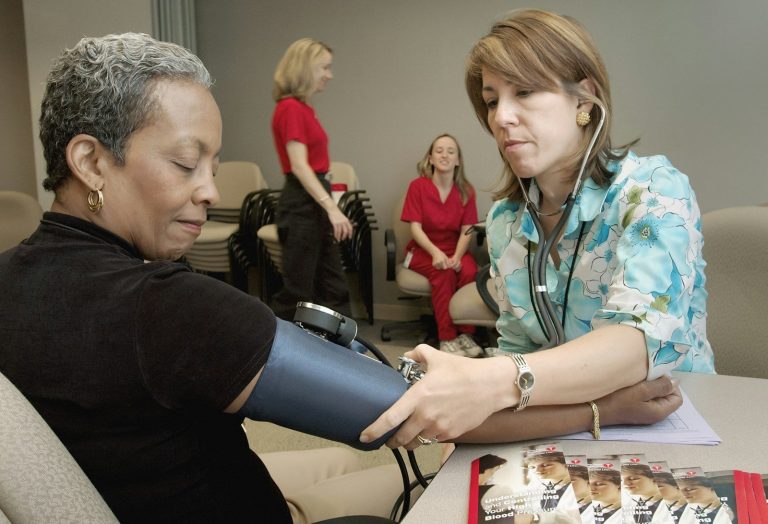
Quality sleep supports far more than feeling rested the next morning. It plays an important role in memory, concentration, mood and overall well-being. Untreated sleep apnea is also associated with serious health concerns, including high blood pressure, heart disease and stroke.
When to Talk With Your Healthcare Provider
If you regularly wake up feeling unrefreshed, experience significant daytime fatigue, snore frequently or have been told that you stop breathing or gasp during sleep, talk with your healthcare provider.
Your provider can review your symptoms and health history and determine whether a sleep evaluation or sleep study is appropriate.
Getting older doesn’t mean accepting poor sleep or feeling exhausted every day. Recognizing changes in your sleep—and knowing when they deserve a closer look—can be an important part of staying healthy and active as you age.
Justin Graham
MSML, BSRT, RRT-NPS, AE-C,
National Clinical Director
Performance Home Medical
Oxygen, Ventilation, and Sleep Therapy
866-687-4463
Sources: National Heart, Lung, and Blood Institute (NIH), Sleep Apnea: What Is Sleep Apnea? and Sleep Apnea: Causes and Risk Factors; Mayo Clinic, Obstructive Sleep Apnea: Symptoms and Causes.