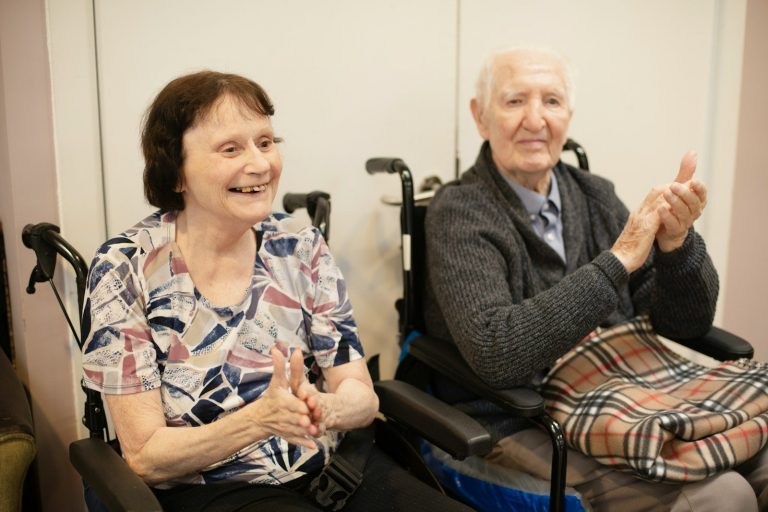
Why Caregivers Embrace the Power of Singing, by Alexis Baker, Bridgetown Music Therapy, is published in the Fall, 2026 edition of Vibrant Senior Options Resource Guide Magazine.
From Stress Relief to Connection
Singing is good for you. American psychologist and philosopher William James said, “I don’t sing because I’m happy, I’m happy because I sing.” Most people intuitively know singing makes them feel better, but many don’t realize the health benefits attached to the simple act of singing.
Did you know singing is a form of aerobic activity? As a result, when you sing it can increase oxygen levels in your blood, leading to better circulation, which can cause a mood boost. Singing can help with the release of endorphins, which gives us that wonderful “lifted” feeling, often resulting in stress and anxiety relief. Best of all, singing sparks joy and connection.
Music: An Often-Overlooked Tool in Dementia Care
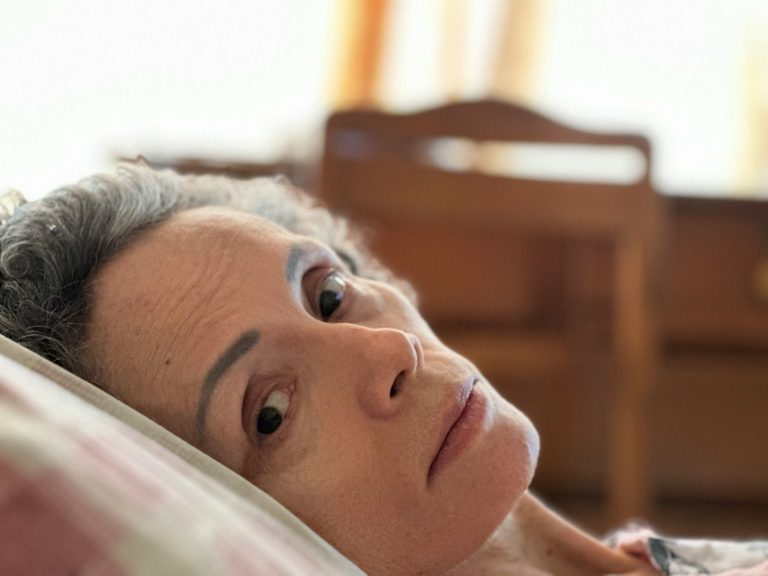
If you’re caring for someone living with dementia, you’re well-aware of the many challenges. Dementia care is hard. It can be taxing physically, mentally, emotionally, financially, and even spiritually. Family caregivers especially carry a massive load when serving as the primary caregiver.
I have some good news for you: Music can help!
Using music can make a huge difference for your loved one, yet it’s often underutilized. Even in later stages, music can reduce anxiety, spark joy, improve engagement, and bring connection.
As a music therapist, one of my goals is to encourage, empower, and equip caregivers to incorporate music into the ever-so-important day-to-day work of caregiving. There are so many ways to use music, with singing being one of them—and probably the simplest to incorporate into dementia care..
Ideas to Get You Going
It’s as simple as turning on a song and singing along! If you have a voice, use it—even if you don’t describe yourself as a singer! Your voice is an instrument you can take with you anywhere; it’s always with you. Try creating a playlist you and your loved one can sing along to. Take advantage of free or low-cost resources like YouTube or Spotify. Learn the lyrics of a few songs together so you can sing a cappella (voice only) when you can’t conveniently turn on music.
Here are a few more ways you and your loved one can make singing a regular part of your routine:
- Join a community choir or specialized dementia choir
- Do karaoke at home or in your local community
- Take voice lessons
- Seek music therapy services
- Attend concerts
- Find a dementia-friendly music program
Alexis Baker is a board-certified music therapist, certified dementia practitioner, and founder of Bridgetown Music Therapy along with its virtual music engagement program for individuals living with dementia called Singing at Home.
Alexis Baker
Bridgetown Music Therapy
Email: Alexis@BridgetownMT.com
503-974-6729